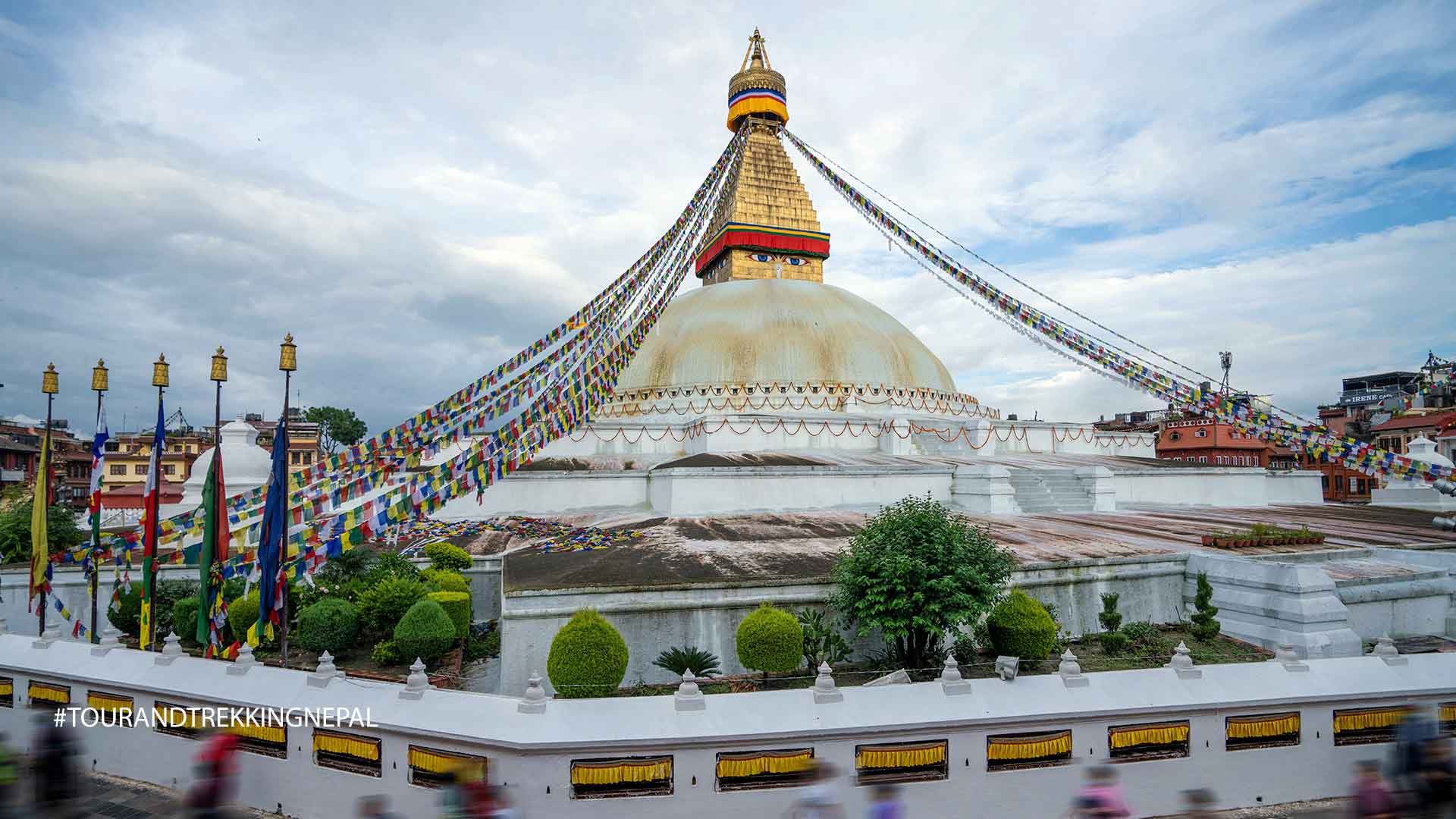
Kathmandu Summit Adventure combining the Kathmandu tour and volunteering work in Nepal offers a unique opportunity to experience the country’s stunning landscapes while making a positive impact on local communities. Kathmandu, its vibrant capital, is the heart of Nepal’s spiritual and historical significance, with bustling markets, ancient temples, and majestic Himalayan views. While Kathmandu is a major draw for tourists, it also provides a unique opportunity to engage in community service through various volunteering programs.

family tour in nepal charity tour and trekking experience in Nepal

A tour of Kathmandu immerses visitors in the rich tapestry of Nepalese culture. Start with a visit to the iconic Swayambhunath (Monkey Temple), a UNESCO World Heritage Site that overlooks the valley. This ancient stupa is a spiritual haven for Buddhists and a vantage point offering panoramic views of the city. Another must-see is the Pashupatinath Temple, one of the holiest Hindu temples in the world. Exploring Durbar Square will reveal centuries-old palaces, courtyards, and shrines, highlighting Nepal’s fascinating architectural and historical legacy. Kathmandu’s vibrant markets, especially in Thamel, offer traditional handicrafts, spices, and local delicacies, adding a colourful touch to the experience.

trekking and volunteering in nepal

Kathmandu Tour and Volunteering Work Highlights:

  • Swayambhunath Stupa (Monkey Temple): One of Kathmandu’s most iconic landmarks, this ancient religious complex offers breathtaking views of the valley and a rich history, blending Buddhist and Hindu traditions.
  • Boudhanath Stupa: A UNESCO World Heritage site and one of the largest stupas in Nepal, Boudhanath is a serene pilgrimage spot and a hub for Tibetan Buddhism, where visitors can observe daily rituals and spinning prayer wheels.
  • Pashupatinath Temple: A revered Hindu temple dedicated to Lord Shiva, situated along the Bagmati River, where visitors can witness traditional Hindu rituals and cremation ceremonies.
  • Durbar Square: An architectural marvel in the heart of Kathmandu, Durbar Square boasts ancient palaces, courtyards, and temples, reflecting the historical and cultural richness of Nepal.
  • Thamel District: The bustling tourist hub of Kathmandu, Thamel is known for its narrow streets packed with vibrant shops, restaurants, and guesthouses. It’s the perfect place to experience local food, shop for handicrafts, and enjoy Nepalese hospitality.
  • Garden of Dreams: A beautifully restored neo-classical garden located in the city centre, offering a peaceful retreat from the hustle and bustle of Kathmandu.

trekking and an internship in nepal

Travellers can make their trips more meaningful by participating in volunteer work. There are various programs available in areas like education, healthcare, community development, and physiotherapy. For example, programs like Volunteer World Nepal (VWN) enable volunteers to contribute to underprivileged communities by teaching children, assisting in local schools, or providing support to healthcare workers. Physiotherapy volunteers are especially valuable in Nepal, where access to rehabilitation services is limited in many rural areas.

  • Teaching English in Rural Schools: Volunteers can contribute to improving educational opportunities for children in underserved areas, helping them gain confidence in English and expanding their horizons.
  • Physiotherapy Volunteering: Assist in rehabilitation centres and clinics, providing essential care to patients recovering from injuries or suffering from physical disabilities. This is a great way to give back while gaining practical experience in the healthcare sector.
  • Women Empowerment Programs: Support initiatives that focus on women’s education, vocational training, and health awareness, contributing to their empowerment and fostering self-sufficiency.
  • Environmental Conservation: Engage in projects aimed at reforestation, waste management, and sustainable agriculture in rural Nepal, promoting environmental protection and education.
  • Healthcare and Medical Volunteering: For those with medical or nursing backgrounds, opportunities exist to assist local health professionals in clinics and outreach programs, helping provide much-needed care to remote communities.
  • Monastic Volunteering: Experience life in a Buddhist monastery by teaching English or assisting with other daily tasks while learning about Tibetan Buddhist traditions and practices. This is a unique cultural exchange and a deeply spiritual experience.

trekking and an internship in nepal

Combining the Kathmandu tour and volunteering work in Nepal provides a holistic experience, allowing you to immerse yourself in the beauty and challenges of Nepal. Whether it is helping children in schools, assisting in healthcare facilities, or working on conservation projects, your contributions will be highly valued. In return, you will gain a richer travel experience, a deeper cultural appreciation, and lasting connections with the local people. The balance of giving back while exploring one of the world’s most captivating cities makes volunteering in Kathmandu a journey of both heart and mind.

Celebration of the Dashain festival in Nepal has begun and Dashain, also known as Vijaya Dashami, is the most significant Hindu festival in Nepal, celebrated over a span of 15 days, typically in September or October. Celebration of the Dashain festival symbolizes the triumph of good over evil and honours Goddess Durga, who defeated the buffalo demon Mahishasura. The festivities begin with Ghatasthapana, where seeds are sown to grow Jamara, signifying new beginnings.

celebration of the dashain festival

The celebration of the Dashain festival’s first nine days is dedicated to worshipping Durga in her nine forms, culminating in the tenth day, Vijaya Dashami. On this day, families gather to receive tika, a mixture of yogurt, rice, and vermilion, from their elders, who bless them with good fortune and prosperity. This ritual fosters familial bonds and respect for elders, reinforcing cultural values.

celebration of the dashain festival

Celebration of the Dashain Festival in Nepal Highlights:

Day 01: Ghatasthapana: Invocation of Goddess Shailaputri:

Ghatasthapana marks the initiation of Dashain with the establishment of the sacred Kalash (water-filled vessel). Goddess Shailaputri, the first manifestation of Goddess Durga, is worshipped on this day. She represents new beginnings and embodies the power of nature. Devotees seek her blessings for a prosperous and fruitful festival.

Day 02: Dwitiya: Adoration of Goddess Brahmacharini:

On Dwitiya, Goddess Brahmacharini is revered. She symbolizes dedication, purity, and self-discipline. Worshipping her encourages devotees to embrace righteous paths and attain spiritual enlightenment.

Day 03: Tritiya: Devotion to Goddess Chandraghanta:

Goddess Chandraghanta, worshipped on Tritiya, showcases her bravery and grace. Her half-moon-adorned forehead inspires courage. By honouring her, individuals seek protection from negativities and inner strength to overcome challenges.

Day 04: Chaturthi: Reverence for Goddess Kushmanda:

Chaturthi is dedicated to Goddess Kushmanda, the creator of the universe. She radiates cosmic energy and blesses devotees with vitality and well-being. Her worship signifies the importance of energy and life force.

Day 05: Panchami: Praise of Goddess Skandamata:

Goddess Skandamata, worshipped on Panchami, is the mother of Lord Skanda (Kartikeya). She represents motherly love and protection. Devotees seek her blessings for nurturing relationships and safeguarding their loved ones.

Day 06: Shashthi: Reverence for Goddess Katyayani:

Goddess Katyayani, revered on Shashthi, epitomizes strength and courage. She is the warrior goddess who defeats evil forces. Worshipping her instils determination and the will to overcome adversities.

Day 07: Saptami: Adoration of Goddess Kalaratri:

Goddess Kalaratri, worshipped on Saptami, embodies the fierce and destructive form of Durga. She annihilates darkness and negativity, paving the way for light and positivity in life. Her worship symbolizes the victory of good over evil.

celebration of the dashain festival

Day 08: Ashtami: Worship of Goddess Mahagauri:

On Ashtami, Goddess Mahagauri is venerated. She radiates purity and grace, signifying the triumph of righteousness. Her worship purifies the mind and soul, granting inner peace and spiritual growth.

Day 09: Navami: Devotion to Goddess Siddhidatri:

Goddess Siddhidatri worshipped on Navami, grants divine knowledge and spiritual enlightenment. She blesses devotees with achievements and accomplishments, both material and spiritual. Her worship symbolizes the culmination of the Navadurga manifestations.

Day 10 – Dashami (Vijaya Dashami): Celebration of Goddess Durga’s Victory:

Vijaya Dashami is the pinnacle of Dashain, honouring Goddess Durga’s victory over the demon Mahishasura. She represents the ultimate power of femininity and the vanquisher of evil forces. On this day, families come together to seek her blessings through the Tika and Jamara ceremony, symbolizing the triumph of good over evil.

During the celebration of the Dashain festival in Nepal, people engage in various traditions: flying kites, enjoying swings (ping), and preparing special meals. Homes are adorned with decorations, and new clothes are worn. The celebration of the Dashain festival also includes animal sacrifices as offerings to Durga, although this practice is viewed critically by some.

celebration of the dashain festival

Dashain transcends social boundaries, uniting people from diverse backgrounds. Celebration of the Dashain festival is a time for family reunions, as many Nepalis travel home from far and wide to celebrate together. The atmosphere is filled with joy as communities come alive with laughter and festivities.

celebration of the dashain festival

Celebration of the Dashain festival, the most significant and eagerly awaited festival in Nepal, is a celebration that unites families and communities across the nation. Lasting for 15 days, Dashain celebrates the triumph of good over evil, commemorating the goddess Durga’s victory over the demon Mahishasura. It typically falls in September or October, marking the beginning of the harvest season and symbolizing prosperity and renewal.

Kathmandu Summit Adventure’s Discover the Wonders of Bardia National Park Tour offers a well-rounded experience that combines thrilling wildlife encounters with deep cultural insights. Whether you are an adventure seeker or someone looking to relax amidst nature, discover the wonders of Bardia National Park tour provides unforgettable memories in one of Nepal’s most pristine environments. With its unique blend of activities and stunning landscapes, Bardia National Park stands out as a must-visit destination for anyone travelling to Nepal.

wonders of bardia national park tour

Wonders of Bardia National Park tour is an unforgettable journey into the heart of Nepal’s wilderness. Whether you’re tracking tigers, cruising down the Karnali River, or immersing yourself in Tharu culture, Bardia offers a unique blend of adventure, tranquillity, and conservation. For anyone seeking a truly off-the-beaten-path experience in Nepal, Bardia is a destination that promises wonders at every turn.

rhino of bardia national park tour

Wonders of Bardia National Park Tour Highlights:

Wildlife Safaris: The wonders of Bardia National Park tour feature both Jeep safaris and elephant safaris, allowing participants to explore the park’s diverse ecosystems. Visitors have the chance to spot endangered species such as the Royal Bengal tiger, one-horned rhinoceros, and various bird species, including over 250 types of birds.

Cultural Experiences: Engaging with the indigenous Tharu community is a significant aspect of the tour. Travelers can participate in village tours to learn about Tharu customs, traditions, and their vital role in conservation efforts. Evening cultural performances featuring traditional dances add a unique touch to the experience

deers of bardia national park tour

Adventure Activities: Beyond safaris, the tour includes options for birdwatching, visiting the Elephant Breeding Center, and exploring the Karnali River through activities like rafting. These wonders of Bardia National Park tour adventures offer a broader understanding of the region’s ecology and cultural heritage.

Wildlife Encounters Like No Other:

One of the main attractions of the Wonders of Bardia National Park tour is its incredible wildlife. Unlike the more famous Chitwan National Park, Bardia remains less crowded, allowing visitors to experience a more intimate connection with nature. The park is home to over 30 species of mammals, including the elusive Royal Bengal Tiger, the majestic Asian elephant, and the rare one-horned rhinoceros. It is also a haven for bird watchers, with more than 400 species of birds residing here, including the endangered Bengal florican, colourful kingfishers, and various species of eagles.

Wonders of Bardia National Park tour is one of the best places in the world for tiger tracking. With the help of expert guides, visitors have the opportunity to embark on thrilling jungle safaris, either by jeep or on foot, to catch a glimpse of these magnificent big cats. The sight of a tiger prowling through the jungle or lounging by a riverbank is an experience that will stay with you forever.

Jungle Safaris and River Adventures:

The Wonders of Bardia National Park tour offers a variety of ways to explore its diverse landscapes and wildlife. Jeep safaris are the most popular option, allowing visitors to cover large distances in search of animals. For those seeking a more immersive experience, walking safaris offer a chance to explore the forest at a slower pace, guided by experienced trackers who know the park like the back of their hand. Walking through the jungle heightens the excitement of encountering wildlife, whether it’s spotting a rhino grazing in the distance or hearing the rustle of leaves as an elephant approaches.

elephants of bardia national park tour

Wonders of Bardia National Park tour is also home to the Karnali River, which runs along the park’s western border. Visitors can enjoy river safaris on traditional wooden canoes, gliding peacefully along the water while spotting Gharial crocodiles, mugger crocodiles, and the endangered Gangetic dolphin. The river is a lifeline for many species, and a river safari provides a unique perspective on the park’s rich ecosystems.

wonders of bardia national park tour

Cultural Experiences:

In addition to its natural wonders, Bardia offers a chance to engage with local Tharu culture. The Tharu people, indigenous to the Terai region, have a unique way of life that has been shaped by their deep connection to the land. Visitors can experience traditional Tharu dances, learn about their farming practices, and even stay in a traditional Tharu homestay for a more authentic cultural immersion.

Responsible Tourism and Conservation:

Bardia National Park is not just about wildlife and it is also a conservation success story. Through responsible tourism initiatives and community-based conservation efforts, the park has seen a significant rise in wildlife populations, especially tigers and rhinos. Visitors contribute to these efforts by choosing eco-friendly lodges, supporting local communities, and respecting the natural environment.

bardia national park tour

Wildlife Spotting Opportunities:

Bardia National Park is renowned for its rich biodiversity. Visitors can expect to see:

Royal Bengal Tigers: The park is one of the best places in Nepal to spot these majestic creatures.

Asian One-Horned Rhinoceros: Another highlight of Bardia’s diverse fauna.

Elephants: Over 120 elephants roam freely within the park.

Bird Species: With more than 250 species recorded, birdwatchers will find plenty to enjoy

Best Time to Visit:

The ideal time to embark on this tour is from October to March when wildlife sightings are more frequent due to cooler weather and less foliage. Late September to early November is particularly good for birdwatching as migratory birds flock to the area.

kathmandu and bardia national park tour

Kathmandu Summit Adventure’s Bardia National Park Tour offers an immersive experience that combines thrilling wildlife encounters with rich cultural insights. Whether you are an adventure seeker or someone looking to relax amidst nature’s beauty, this tour promises unforgettable memories in one of Nepal’s most breathtaking environments. Join us in discovering the wonders of Bardia National Park.

World Tourism Day is celebrated annually on September 27, and in Nepal, World Tourism Day holds significant importance as it aligns with the global theme of promoting accessible tourism. The slogan of World Tourism Day for this year’s celebration emphasizes the need for “Tourism for All” which aims to create an inclusive environment that allows everyone, regardless of their physical abilities or circumstances, to enjoy the diverse experiences that travel offers.

lumbini tour

Nepal, known for its majestic Himalayas, rich cultural heritage, and warm hospitality, is a prime destination for tourists seeking adventure, spirituality, and diverse experiences. From the towering peaks of Mount Everest to the tranquil monasteries of Lumbini birthplace of Lord Buddha the country offers a myriad of attractions. However, as global awareness around accessibility grows, Nepal recognizes the importance of adapting its tourism infrastructure to ensure that it welcomes all types of travellers, including those with disabilities and those from marginalized communities.

a complete guide for annapurna base camp trek

World Tourism Day Highlights Include:

  1. Cultural Performances: Traditional dance and music performances in heritage sites such as Kathmandu Durbar Square and Patan Durbar Square.
  2. Accessible Travel Workshops: These workshops focus on educating tourism service providers on best practices for making tourism accessible to everyone.
  3. Clean-Up Campaigns: Initiatives to maintain the beauty of tourist hotspots by involving locals and visitors in clean-up drives, especially in popular trekking regions.
  4. Discounted Travel Packages: Special deals on adventure activities, hotel stays, and guided tours are offered to tourists during the celebration week.
  5. Promotion of Local Handicrafts: Showcasing Nepal’s vibrant arts and crafts, such as handwoven textiles, thangka paintings, and wood carvings, which play a significant role in cultural tourism.

The Nepalese government, in partnership with tourism stakeholders, has been working steadily to improve the accessibility of its tourist sites. Initiatives like the development of wheelchair-friendly routes, accessible accommodations, and inclusive trekking paths are being introduced in key locations. Furthermore, tourism organizations are training guides and service providers to better cater to diverse needs, making the experience smoother for differently-abled tourists.

World Tourism Day in Nepal serves as a platform to raise awareness about these efforts. The Nepal Tourism Board (NTB), along with various non-governmental organizations, conducts workshops, seminars, and events to emphasize the economic and social benefits of making tourism more accessible. The slogan “Accessible Global Tourism” is also promoted through campaigns designed to inspire tourists and tourism operators to support this inclusive vision.

getting your visa for nepal venture nepal trekking

Importance of Accessibility in Tourism:

In Nepal, a country renowned for its stunning landscapes and rich cultural heritage, the focus on accessible tourism is particularly crucial. The diverse geography, from the towering Himalayas to lush valleys, presents both opportunities and challenges for travellers with disabilities. By promoting accessible tourism, Nepal aims to ensure that all individuals can experience its natural beauty and cultural richness without barriers. This initiative not only enhances the travel experience for those with disabilities but also contributes to the overall growth of the tourism sector by tapping into a wider audience.

Celebrating Diversity and Inclusion:

On World Tourism Day, various events and activities are organized across Nepal to raise awareness about the importance of accessibility in tourism. These may include workshops, seminars, and community outreach programs aimed at educating stakeholders such as local businesses, government officials, and the general public about how they can contribute to making tourism more inclusive. The celebration serves as a reminder that tourism should be a right for everyone and that inclusive practices can lead to a more sustainable and prosperous industry.

The Role of Government and Local Communities:

The Nepalese government is actively working towards enhancing infrastructure and services to accommodate all travellers. This includes improving transportation systems, ensuring accessible accommodations, and providing clear information about tourist sites. Local communities are encouraged to participate in these efforts by promoting understanding and acceptance of diverse needs within tourism settings.

nepal

As World Tourism Day unfolds in Nepal, it presents an opportunity not only to celebrate the beauty of travel but also to advocate for universal accessibility in the tourism industry. By embracing this ethos, Nepal can position itself as a leader in accessible tourism, ensuring that all individuals can explore its wonders while fostering a culture of inclusivity and respect. The World Tourism Day commitment not only enriches the experiences of travellers but also strengthens the social fabric of communities across the nation.

Tea houses are an integral part of the Everest Base Camp Trek providing essential services and accommodations for trekkers navigating the challenging terrain of the Himalayas. These establishments, often run by local Sherpa families, offer a blend of hospitality, comfort, and cultural immersion, making them a popular choice for adventurers seeking to experience the breathtaking beauty of the region.

tea houses in everest base camp trek

Overview of Tea Houses:

Tea houses along the Everest Base Camp trek are typically wooden or stone structures that include a kitchen, dining area, and bedrooms. They serve as lodges or guesthouses where trekkers can rest, eat, and socialize. The concept of tea houses emerged as trekking became more popular in the Everest region, replacing the previous camping model that required trekkers to carry tents and cooking supplies. This shift has made trekking more accessible and economical for many adventurers.

largest monastery in khumbu region

Accommodation and Amenities:

The quality and facilities of guest houses vary significantly depending on their elevation. Lower-elevation tea houses tend to offer more amenities compared to those at higher altitudes. Most tea houses provide basic accommodations with twin beds, communal dining areas, and shared bathrooms. Some may even feature modern flush toilets and hot showers, although these amenities become less common as trekkers ascend into higher altitudes.

Common Features:

Sleeping Arrangements: Basic rooms typically accommodate two people with mattresses and blankets.
Dining Facilities: A communal dining area where trekkers can enjoy meals together.
Hygiene: Most tea houses offer basic toilet facilities; however, some may have traditional squat toilets or require trekkers to walk outside for bathroom access.
Hot Showers: Available for an additional fee in many tea houses, often heated by gas or solar geysers.

Culinary Offerings:

Food at tea houses is primarily Nepali cuisine, including staples like Dal Bhat (lentil soup with rice), momos (dumplings), and various noodle dishes. The menus often reflect local flavours while also accommodating international tastes, especially in areas like Lukla and Namche Bazaar where more diverse options are available. It is advisable to consume freshly prepared local food rather than meat after Namche due to hygiene concerns.

trekking in the nepal himalayas

Typical Meals:

Breakfast: Bread, eggs, potatoes, and various types of tea.
Lunch/Dinner: Options include rice dishes, noodles, soups, and local specialities like momo.

Cultural Experience:

Staying in tea houses allows trekkers to engage with Sherpa culture. The warm hospitality of the Sherpas is evident upon arrival; guests are often greeted with a cup of hot tea. This interaction fosters a sense of community among trekkers and locals alike, enriching the overall trekking experience. Moreover, tea houses play a crucial role in supporting the local economy by providing jobs for Sherpa families and promoting sustainable tourism practices in the region.

getting your visa for nepal venture nepal trekking

The tea houses along the Everest Base Camp Trek are more than just places to sleep; they are vital components of the trekking experience that offer comfort, nourishment, and cultural exchange. By choosing to stay in these lodges, trekkers not only ensure their own well-being but also contribute positively to the local community while enjoying one of the most iconic treks in the world.

Kathmandu Summit Adventure combines trekking and an internship in Nepal to create a truly unique and enriching experience, offering a combination of adventure, cultural immersion, and professional growth. Trekking and an internship in Nepal opportunities allow you to explore Nepal’s breathtaking landscapes while contributing to meaningful projects and gaining valuable work experience in various fields. From the majestic peaks of the Himalayas to the vibrant communities nestled in the valleys, this combination provides an all-encompassing experience that is both personally fulfilling and professionally beneficial.

trekking and an internship in nepal

Internships in Nepal cover a wide range of fields, including community development, education, healthcare, physical therapy, environmental conservation, tourism, and hospitality. By participating in such programs, you can contribute to local initiatives and develop skills that will enhance your academic and career aspirations. Whether you are teaching in schools or monasteries, assisting with healthcare outreach, or supporting environmental conservation efforts, your internship will allow you to make a positive impact while gaining hands-on experience.

trekking and an internship in nepal

Benefits of Combining Trekking and an Internship in Nepal:

  • Gain hands-on experience in your field of interest through an internship placement.
  • Explore Nepal’s majestic mountains and scenic trekking routes like the Annapurna Circuit and Everest Base Camp.
  • Contribute to local communities and make a positive impact through your internship work.
  • Challenge yourself physically and mentally through trekking while enjoying the breathtaking views.
  • Develop a deeper understanding of Nepali culture and way of life by living and working in the country.
  • Create lasting memories and skills that enhance your personal and professional growth.

Trekking in Nepal is a world-renowned adventure, offering routes that traverse stunning terrains and introduce you to diverse cultures. Popular trekking routes like the Annapurna Circuit Trek, Everest Base Camp, and Langtang Valley allow you to experience Nepal’s unparalleled natural beauty. These treks are not only physically challenging but also spiritually uplifting, as you pass through ancient villages, encounter hospitable locals, and witness awe-inspiring mountain views.

nepal trekking permit goes digital

By combining trekking and an internship in Nepal, you can create lasting memories while developing skills that will benefit you for years to come. Trekking and an internship in Nepal experience allows you to step outside your comfort zone, immerse yourself in a new culture, and make meaningful contributions to the communities or societies you engage with. Trekking and an internship in Nepal is an opportunity to grow both personally and professionally, leaving a lasting impact on your life and the lives of others in Nepal.

trekking and an internship in nepal

Teej festival in Nepal is one of the most significant festivals celebrated by women, particularly by the Hindu community. Teej festival in Nepal vibrant festival is observed primarily by married women, but unmarried women also participate. Teej festival in Nepal is dedicated to the goddess Parvati and her union with Lord Shiva, symbolizing marital bliss, the well-being of the spouse, and the overall prosperity of the family.

Key Aspects of Teej festival in Nepal:

Date and Duration:

  • Teej usually falls in late August or early September, during the monsoon season, on the third day of the bright half of the lunar month of Bhadra. The festival lasts for three days.

teej celebration in nepal

Rituals and Celebrations:

  • Day 1: Dar Khane Din: This day is dedicated to a lavish feast known as “Dar.” Women gather with friends and family, often in their best red saris, and indulge in delicious food, symbolizing a break before the strict fasting that follows. It is a day of enjoyment and preparation for the more intense days ahead.
  • Day 2: Fasting (Nirjala Brata): On the second day, women observe a rigorous fast known as “Nirjala Brata,” where they abstain from both food and water. Some women, however, may take light food or water. This fasting is believed to bring long life and good health to their husbands and future partners. Women spend the day praying, singing devotional songs, and dancing, often visiting temples dedicated to Lord Shiva.
  • Day 3: Rishi Panchami: The final day of Teej is Rishi Panchami, a day of purification. Women take a ritual bath in holy water and offer prayers to the seven saints or “Sapta Rishis.” This day is also dedicated to cleansing oneself from any sins committed unknowingly during the past year.

Attire:

  • Red is the dominant colour during Teej, symbolizing purity, strength, and prosperity. Women dress in red saris, wear glass bangles, and adorn themselves with gold jewellery. Red tika (vermilion powder) is also applied to their foreheads as a part of their traditional look.

teej festival in nepal

Significance:

  • Teej is more than just a religious festival; it is also a celebration of womanhood, sisterhood, and solidarity. It provides women with an opportunity to take a break from their daily routines, meet with friends and family, and express their emotions through music and dance.
  • The festival reflects Nepalese society’s deep connection with Hindu mythology and the importance of rituals in everyday life. Teej is also an occasion to advocate for women’s rights and to raise awareness about social issues, as many women’s organizations in Nepal use the festival as a platform for addressing challenges like gender inequality.

Temples and Pilgrimage:

  • Women flock to temples, particularly those dedicated to Lord Shiva, like the famous Pashupatinath Temple in Kathmandu. They offer prayers, perform rituals, and participate in the festival’s celebrations, which continue throughout the day and night.

Cultural Impact of Teej festival in Nepal:

Teej festival in Nepal holds a deep emotional and cultural value among Nepali women. It is a blend of devotion, tradition, and celebration. Despite the religious undertones, the festival is an opportunity for women to express joy, share their stories, and find strength in their communities. The songs sung during Teej often reflect women’s life experiences, both the challenges and the joys, making it a festival with both spiritual and social significance.

teej celebration in nepal

Teej festival in Nepal is not only a religious observance but also a celebration of womanhood, empowerment, and community. It highlights the importance of relationships, with unmarried women fasting in hopes of finding a husband like Shiva, while married women pray for their husbands’ well-being. Teej festival in Nepal is characterized by traditional folk songs and dances, fostering a sense of unity and joy among participants. Overall, Teej serves as a vibrant expression of Nepali culture, reflecting the values and aspirations of women in society.

Kathmandu Summit Adventure’s trekking and volunteering in Nepal is a unique adventure that combines cultural immersion experience with trekking and volunteering in Nepal, offering an unforgettable journey through some of the country’s most iconic destinations. Trekking and volunteering in Nepal is an immersive experience that allows you to explore the stunning landscapes of Nepal while giving back to local communities.

Begin your journey with cultural tours that introduce you to the rich heritage of Nepal. Visit ancient temples, bustling markets, and traditional villages where you can witness the vibrant culture and daily lives of the Nepalese people. As you travel through the diverse regions, you will gain a deeper understanding of the country’s history, art, society and spirituality.

impact of teaching volunteering work in nepal

For adventure enthusiasts, the Himalayan trekking offers an unparalleled opportunity to trek through some of the world’s most breathtaking mountain ranges. Whether you choose the legendary trails of Everest, Annapurna, or Langtang, each trek promises stunning vistas, challenging terrain, and the chance to meet resilient mountain communities. These treks not only test your endurance but also reward you with the awe-inspiring beauty of Nepal’s natural wonders.

teaching volunteering work in the monastery

Your journey would not be complete without experiencing the wildlife and natural beauty of Nepal’s jungles. Join a jungle safari to explore the lush forests of Chitwan or Bardia National Park, where you can encounter exotic wildlife, including Bengal tigers, one-horned rhinoceroses, and a myriad of bird species.

Throughout your trip, you will have the opportunity to volunteer in local communities, making a positive impact by contributing to educational, environmental, or health projects. This meaningful engagement allows you to connect with the people of Nepal on a deeper level, leaving a lasting impression on both your heart and the lives of those you help.

By combining trekking and volunteering in Nepal, this trip offers a well-rounded experience of Nepal, blending adventure with cultural immersion and meaningful contributions. Discover the best that Nepal has to offer and create memories that will last a lifetime.

Here are some combining trekking and volunteering in Nepal programs:

Annapurna Base Camp Trekking and Volunteering Programs:

Annapurna Circuit Trekking and Volunteering Programs:

Poon Hill Sunrise Trekking and Volunteering Programs:

Langtang Valley Trekking and Volunteering Programs:

Mardi Himal Trekking and Volunteering Programs:

trekking and volunteering work in nepal

Gai Jatra festival, also known as the Cow Festival, is a vibrant and lively celebration filled with dancing, singing, and laughter, making it one of the most significant festivals in Nepal, particularly in the Kathmandu Valley. Gai Jatra festival is dedicated to honouring and remembering loved ones who have passed away in the past year. As part of the tradition, families who have lost someone send people, often children, dressed as cows to participate in a procession through the streets. Gai Jatra festival is a unique event that typically occurs in July or August.

The word “Gai” means “cow” in English, and in Hinduism, cows are revered as symbols of wealth and prosperity. Gai Jatra festival serves a dual purpose: it honours the deceased and offers solace to the grieving by providing a sense of communal support. Gai Jatra festival encourages the sharing of sorrow and helps ease the pain of loss by affirming that the souls of the departed are at peace.

However, Gai Jatra festival is not solely about mourning; it is also a celebration of life. The day is marked by a vibrant parade where participants wear colourful and eccentric costumes, creating an atmosphere of joy and humour. In Bhaktapur, the Gai Jatra festival extends over eight days, featuring a variety of activities and performances that add to the festive spirit.

The origins of Gai Jatra date back to the era of the Malla rulers. According to legend, a Malla queen was deeply saddened by the untimely death of her son. In an effort to console her, the king invited every family who had lost a loved one to join a procession. This collective display of mourning helped the queen realize that she was not alone in her grief. Over time, the festival transformed into a joyous occasion, where the procession, filled with laughter and jest, winds through the streets, turning grief into communal support and celebration.

gai jatra festival in nepal

What does Gai jatra mean?

The literal meaning of gai is “cow” and jatra is a “march” or “festival”. The concept of Gaijatra is not about worshipping death or mocking death but is about accepting it.

Who introduced Gai Jatra in Nepal?

Gai Jatra festival was initiated by King Pratap Malla in the 17th century as a way to cope with a personal tragedy. The king declared that anyone who could make the grieving queen smile after the death of her son would be rewarded. Sarcastic and comedic performances eventually succeeded in making the queen laugh, leading King Pratap Malla to establish it as an annual celebration.

Why is Gai Jatra celebrated?

Gai Jatra festival is celebrated to pay homage to the deceased family members and to share the grief of the family. It started during the reign of King Pratap Malla when his queen could not cope with the demise of their son Prince Chakravatendra Malla, The commoners came out with a cow procession and also attempted to make the queen smile through comic performances as per the King’s command. The procession and comedy performances/competitions continue to date.

What is done with cows at Gai Jatra?

The cow is considered sacred and is worshipped as a mother in Hinduism. The reasoning behind the involvement of cows is that it is said that the cows help navigate the souls of the dead to heaven.

Gai Jatra holds significant importance in modern times as it fosters community bonds and provides a space for shared mourning and celebration. Participants often paint their faces as part of the ritual, and the festival also serves as a platform for peaceful political protests. In this way, Gai Jatra continues to be a vital and unifying tradition in Nepali culture.

The origins of Gai Jatra date back to the era of the Malla rulers. According to legend, a Malla queen was devastated by the untimely death of her son. To console her, the king invited every family who had lost a loved one to participate in a procession. This collective display of mourning helped the queen realize she was not alone in her suffering. Over time, the festival evolved into a joyous event, filled with laughter and jest, as the procession winds through the streets, transforming grief into communal support and celebration.

Janai Purnima festival in Nepal is a deeply significant celebration, deeply embedded in the country’s rich cultural and religious traditions. The name “Janai Purnima” combines two Nepali words: “Janai,” referring to a sacred thread worn by Hindu men, and “Purnima,” meaning the full moon. The festival is observed on the full moon day of the month of Shrawan, typically in August, though the exact date varies. It marks the beginning of Nepal’s vibrant festival season.

Janai Purnima festival holds particular importance for Hindu men who wear the sacred thread, or Janai. On this day, they wake up early to bathe in a river or pond, a ritual believed to cleanse both body and soul. Following the bath, they perform prayers and rituals under the guidance of a priest, who then replaces their old Janai with a new one. This renewal of the Janai symbolizes a recommitment to a life of purity, self-discipline, and adherence to religious duties.

janai purnima festival in nepal

Another key aspect of the Janai Purnima festival is the tying of a sacred thread, known as “Doro” or “Raksha Bandhan,” around the wrist. This thread, tied by the family priest or an elder, is believed to offer protection and bring good fortune. The practice is not limited to men; women and children also participate, making Janai Purnima a widely inclusive celebration across Nepal.

Janai Purnima festival also coincides with the Newar community’s celebration of “Kwati Purnima,” where a special dish made from nine types of sprouted beans, called “Kwati,” is prepared. This nutritious dish is believed to boost the immune system, aligning with the festival’s themes of renewal and protection. As various communities across Nepal observe Janai Purnima festival in their own unique ways, Janai Purnima emerges as a day that reinforces cultural identity and religious faith throughout the nation.

celebrations of gai jatra festival in kathmandu valley

Myths and stories behind the Janai Purnima festival in Nepal:

Traditionally, the practice of wearing a Janai (sacred thread) has been associated with Brahmins, Chhetris, and Vaishyas. However, today, the custom has expanded, allowing all men and women the freedom to wear it. Donning the Janai is considered essential for performing the 16 rites of passage, known as ‘Samskaras,’ in human life.

Hindu mythology contains numerous references to Janai Purnima and Raksha Bandhan, suggesting that in ancient times, people of all castes, both men and women, followed the tradition of wearing a Janai. Even today, during religious ceremonies like Laxmi Puja, Durga Puja, and Swasthani Puja, Hindus offer Janai to the deities, symbolizing that the divine beings themselves wear it. The Janai is believed to channel direct energy from the Sun God, and the recitation of the Gayatri Mantra during this ritual is thought to enhance mental, physical, and spiritual focus.

Kwati Punhi: Celebrated by the Newari community of Nepal:

Kwati Punhi is a significant festival celebrated by the Newar community in Nepal, particularly those from the Kathmandu Valley. Unlike the typical Janai Purnima festival in Nepal celebration, where a sacred thread (Janai) is worn, the Newars do not wear the Janai during this festival. Instead, they observe Janai Purnima as “Kwati Eating Day” and also celebrate Gunhu Punhi. On this day, after an early morning bath, they visit a nearby shrine where a priest ties a “Dora” (thread) around their wrist.

janai purnima festival in nepal

The day is marked by the preparation of a special dish called “Kwati,” a mixed bean soup, which is enjoyed at home after the Dora is tied. The following day, the Newars observe Gai Jatra, another important festival in the Kathmandu Valley. As part of the rituals, the Dora tied on the wrist is fastened to a cow’s tail. According to traditional beliefs, the cow is said to guide the souls of the deceased to heaven, ensuring their safe passage to the afterlife.

Certifications and Affiliations

npl

Registered with: Company Registration Office, Government of Nepal

ntb

Licensed by: Department of Tourism and Nepal Tourism Board

taan

Proud Member of Trekking Agency's Association of Nepal

nma

General Member of Nepal Mountaineering Association